

Hey there! As a supplier of the Third Curtain, I've been getting a lot of questions about what this mysterious "Third Curtain" actually represents. So, I thought I'd take a moment to break it down for you.
First off, let's talk about the basics. The Third Curtain is a key part of stage setup and design. It's not just any ordinary curtain; it plays a crucial role in enhancing the overall look and functionality of a stage. You might be wondering, why the "Third" Curtain? Well, in a typical stage setup, there are usually a few main types of curtains. There's the Grand Drape, which is often the big, show - stopping curtain at the front of the stage. You can check out more about it here: Grand Drape. Then, there are the stage valances, which add a decorative touch to the top of the stage. You can find more details about them here: Stage Valance. And that's where the Third Curtain comes in.
The Third Curtain is often used for specific purposes on the stage. One of its main functions is as a masking curtain. It helps to hide parts of the stage that the audience isn't supposed to see, like the wings or the backstage area. This creates a more polished and professional look for the performance. If you're interested in stage masking systems, you can click here: Stage Masking System.
In terms of design, the Third Curtain can come in a variety of styles and colors. It can be made from different materials, depending on the needs of the stage production. For example, if it's a high - end theater production, the Third Curtain might be made from a luxurious fabric that gives it a rich and elegant look. On the other hand, for a more budget - friendly option, there are also curtains made from more durable and cost - effective materials.
Another important aspect of the Third Curtain is its flexibility. It can be adjusted and moved around easily to suit different stage setups. This is especially useful for productions that require quick changes between scenes. For instance, in a musical, the Third Curtain can be used to quickly hide the set changes happening backstage, so the audience doesn't have to wait for long periods of time.
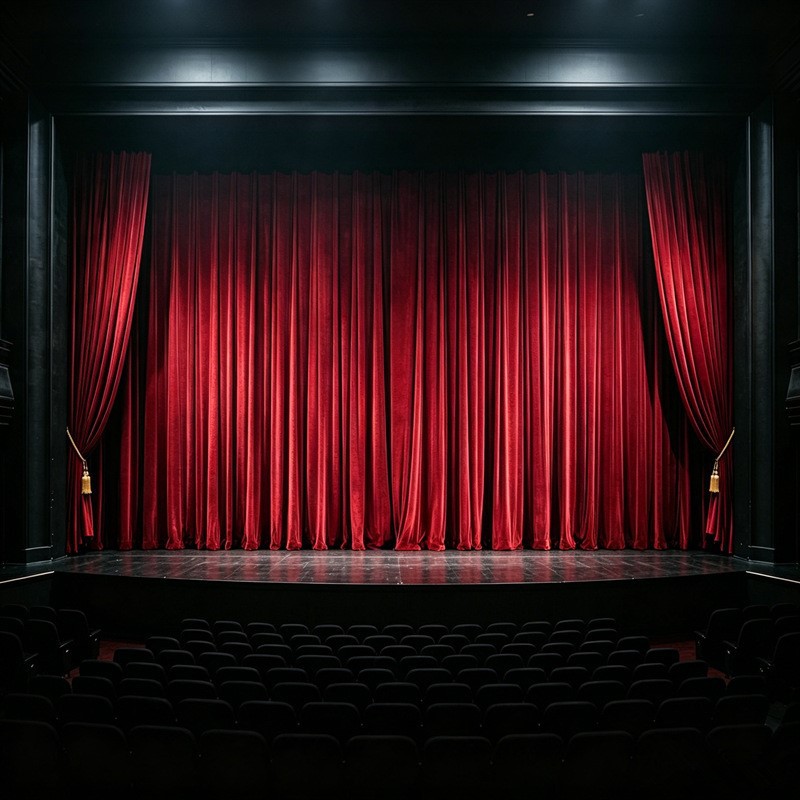
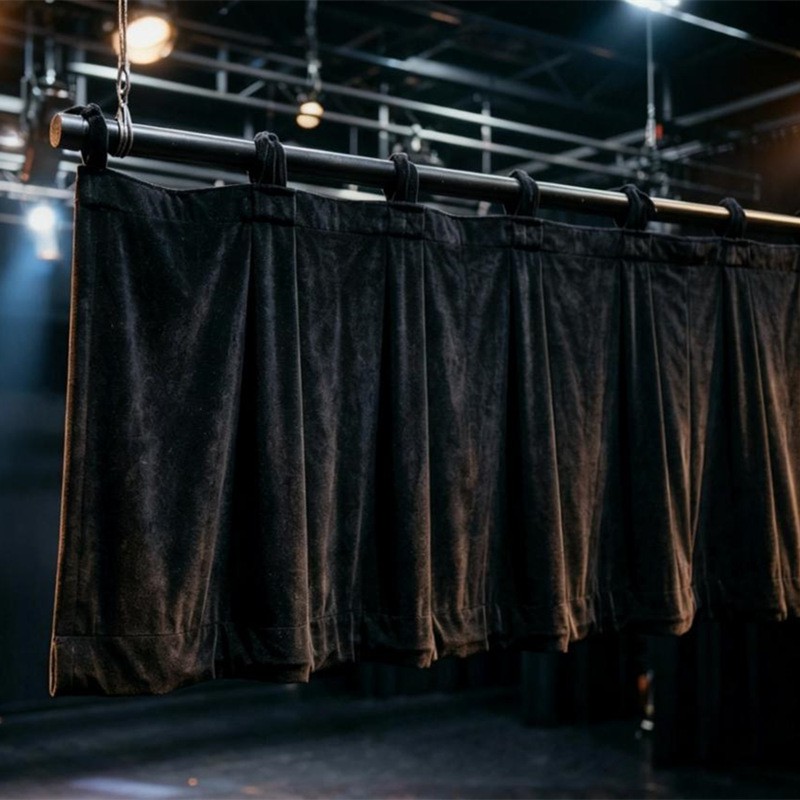
Now, let's talk about the impact of the Third Curtain on the overall stage experience. It really helps to create a sense of mystery and anticipation. When the Third Curtain is drawn, it builds up the excitement for what's about to happen on stage. It's like a little teaser for the audience, making them eager to see what's behind it.
From a practical perspective, the Third Curtain also helps with lighting. It can be used to control the amount of light that reaches different parts of the stage. For example, if there's a scene that requires a dimly lit area, the Third Curtain can be used to block out some of the light from the main stage lights.
In addition to its functional uses, the Third Curtain can also be a great way to add a touch of creativity to a stage production. Designers can use it to create unique visual effects. For example, they can use a Third Curtain with a special pattern or texture to add an extra layer of interest to the stage.
As a supplier of the Third Curtain, I've seen firsthand how it can transform a stage. Whether it's a small community theater or a large - scale professional production, the Third Curtain can make a big difference. It's not just a piece of fabric; it's an essential part of the stage design process.
If you're in the market for a Third Curtain, or if you have any questions about how it can work for your stage production, I'd love to have a chat with you. Whether you're a theater owner, a production manager, or an event planner, we can work together to find the perfect Third Curtain for your needs. Just reach out, and we can start discussing your options.
In conclusion, the Third Curtain represents so much more than just a curtain. It's a tool for creating a better stage experience, both for the performers and the audience. It combines functionality, design, and creativity to enhance the overall look and feel of a stage production. So, if you're looking to take your stage to the next level, consider the Third Curtain.
References:
- General knowledge of stage curtain design and functionality.
- Industry experience as a Third Curtain supplier.