

The Third Curtain, a term that might not be as well - known as the first or second curtain in the theatrical world, has profound social effects that are often overlooked. As a supplier of the Third Curtain, I have witnessed firsthand how this unique stage element impacts society in various ways.
Cultural and Artistic Enrichment
The Third Curtain plays a crucial role in enhancing cultural and artistic experiences. In theaters, it serves as a versatile tool for set designers and directors. It can be used to create different atmospheres, from a mysterious and dreamy setting to a more realistic and gritty one. For example, when a play is set in a fog - filled forest, the Third Curtain can be used to simulate the fog, adding a layer of depth and authenticity to the performance.
This ability to transform the stage environment enriches the cultural landscape. It allows for the exploration of different themes and stories, bringing diverse cultures and ideas to the forefront. Audiences are exposed to new perspectives and ways of thinking, which in turn broadens their cultural horizons. The Third Curtain, therefore, acts as a medium for cultural exchange and artistic expression.
Community Building
The presence of the Third Curtain in theaters also contributes to community building. Theaters are often the heart of a community, bringing people together from all walks of life. When a performance is enhanced by the use of the Third Curtain, it attracts more people to the theater. Families, friends, and even strangers gather to enjoy the show, creating a sense of unity and shared experience.
Moreover, local theater groups and schools that use the Third Curtain in their productions can foster a sense of pride within the community. These groups often involve local talent, from actors to set designers, which not only provides opportunities for the community members but also showcases the local culture. The Third Curtain, in this context, becomes a symbol of community spirit and creativity.
Educational Impact
In an educational setting, the Third Curtain has significant value. Schools and universities use it in drama and theater courses to teach students about stagecraft. Students learn how to manipulate the curtain to create different effects, such as hiding or revealing elements on the stage. This hands - on experience helps them develop practical skills in set design, lighting, and overall stage management.
Furthermore, the study of the Third Curtain can also be incorporated into broader cultural and historical studies. For instance, students can explore how the use of curtains in theater has evolved over time and how it reflects different cultural values. This interdisciplinary approach to learning enriches the educational experience and prepares students for a more well - rounded understanding of the world.
Economic Effects
The supply of the Third Curtain also has economic implications. As a supplier, I have seen how the demand for high - quality curtains has created jobs in the manufacturing and distribution sectors. From the production of the curtain fabric to its installation in theaters, there are multiple steps involved that require a skilled workforce.
In addition, the use of the Third Curtain in theaters can attract more tourists to a region. A well - known theater with unique and innovative stage setups, including the use of the Third Curtain, can become a tourist attraction. This, in turn, boosts the local economy through increased spending on accommodation, dining, and other related services.
Technological Advancements
The development of the Third Curtain has also spurred technological advancements. In recent years, there have been significant improvements in curtain materials and mechanisms. For example, new fabrics are being developed that are more durable, fire - resistant, and have better light - blocking properties. These advancements not only enhance the performance of the Third Curtain but also contribute to the overall safety and quality of theater productions.

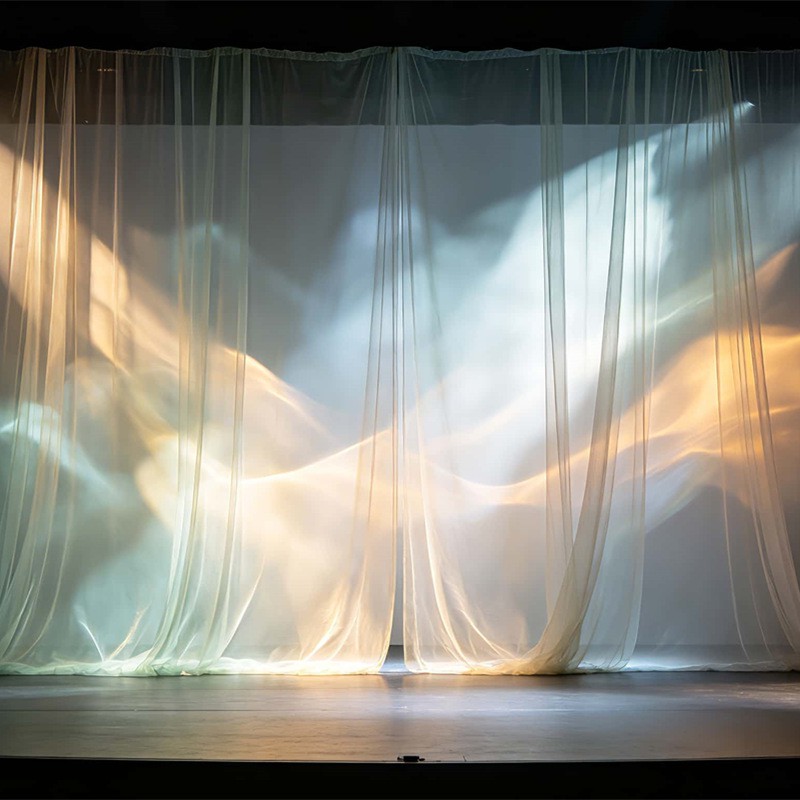
Moreover, the integration of technology such as automated curtain systems has made it easier to control the movement of the Third Curtain. This allows for more precise and complex stage setups, opening up new possibilities for creative expression.
Comparison with Other Curtains
When comparing the Third Curtain with other types of stage curtains, such as the Mid Curtain and the Scrim Stage Curtain, it has its own unique features. The Mid Curtain is typically used to divide the stage into different sections, while the Scrim Stage Curtain is often used for special effects, such as creating a semi - transparent or ghostly appearance.
The Third Curtain, on the other hand, can be used in combination with these other curtains to create more elaborate and dynamic stage setups. It can be used to add an extra layer of depth and complexity to the performance, enhancing the overall visual experience for the audience. Another type of curtain related to stage setups is the Scenery Scrim Skydrops Muslin, which is often used to create realistic sky or backdrop effects. The Third Curtain can work in tandem with this type of curtain to create a more immersive environment.
Future Outlook
Looking ahead, the social effects of the Third Curtain are likely to continue to expand. As technology continues to advance, we can expect to see even more innovative uses of the Third Curtain in theater and other performing arts. For example, virtual reality and augmented reality technologies could be integrated with the Third Curtain to create even more immersive experiences for the audience.
In addition, the Third Curtain could also find new applications outside of the traditional theater setting. It could be used in corporate events, exhibitions, and even in theme parks to create unique and engaging experiences.
Contact for Procurement
If you are interested in learning more about the Third Curtain and how it can enhance your theater productions, events, or other projects, I encourage you to reach out. We are committed to providing high - quality Third Curtains and excellent customer service. Whether you are a theater director, event planner, or a school looking to enhance your drama program, we have the expertise and products to meet your needs.
References
- Smith, J. (2018). The Art of Stage Design. New York: Theatre Press.
- Johnson, A. (2019). Cultural Impact of Theatrical Elements. London: Arts Publishing.
- Brown, C. (2020). Technological Advancements in Stage Curtains. Chicago: Tech Books.